Before it was called mysticism
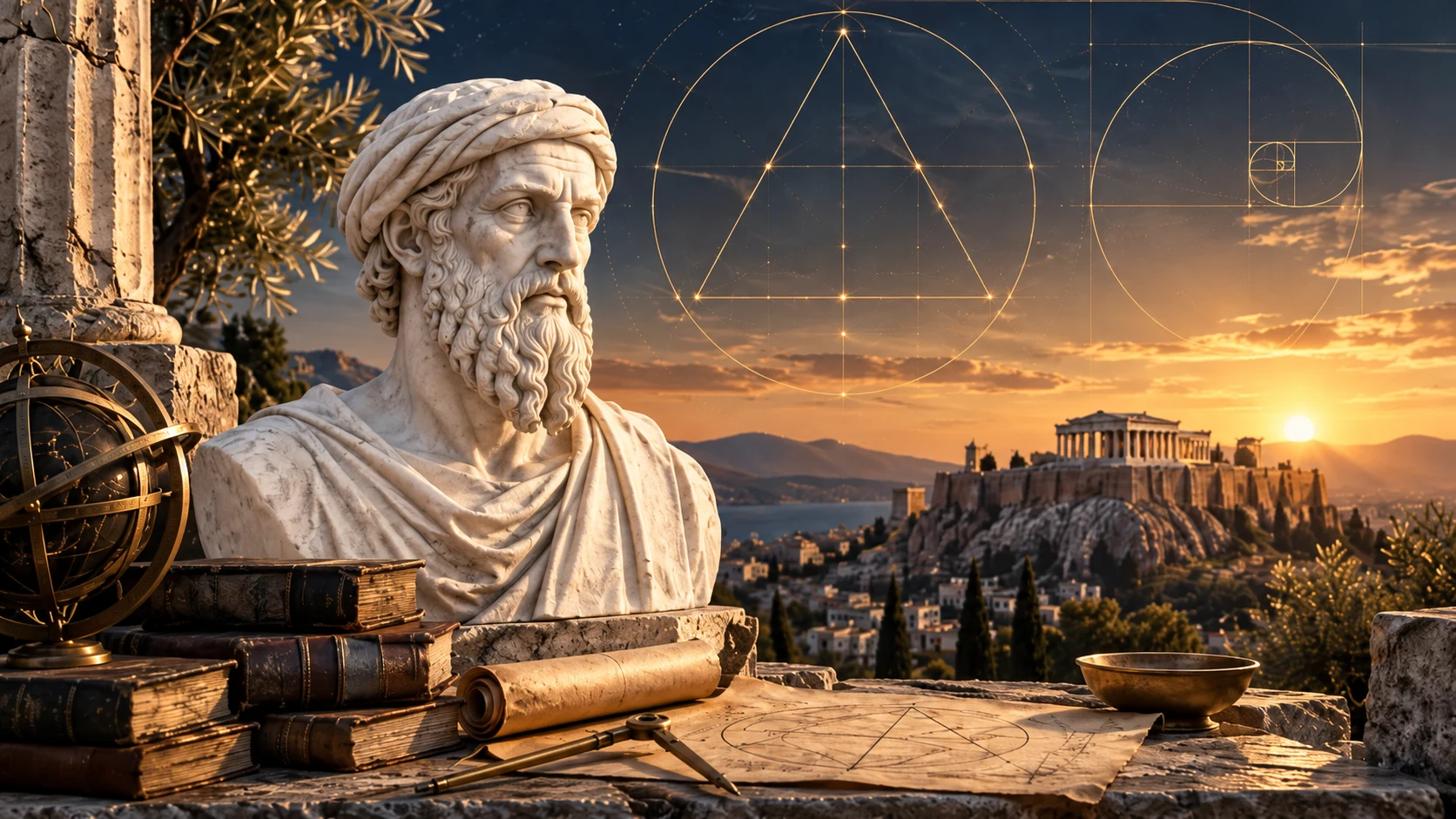
It is easy to think that numerology belongs at an alternative fair or in a horoscope magazine. But that is a modern misunderstanding. During the Middle Ages and the Renaissance, the study of the nature of numbers was a natural part of the academic world — as obvious as geometry, astronomy and music.
At the universities of Bologna, Paris and Oxford, what was called the quadrivium was taught: arithmetic, geometry, music and astronomy. The qualitative properties of numbers — what digits mean rather than just how they are counted — was a central part of this teaching. To understand numbers was to understand the order of the world.

It was not about superstition. It was an attempt to understand the structure of the cosmos.
Pythagoras and what came before him
Western numerology begins with Pythagoras — but he was not its inventor. He travelled to Egypt and Babylon and brought home a knowledge tradition that was already several thousand years old.
In the 6th century BCE, Pythagoras founded a philosophical brotherhood in Croton in southern Italy. For his followers, numbers were not abstract symbols but living principles. Every number had an archetype — an inherent quality that permeated everything it represented in nature, in man, in the cosmos.
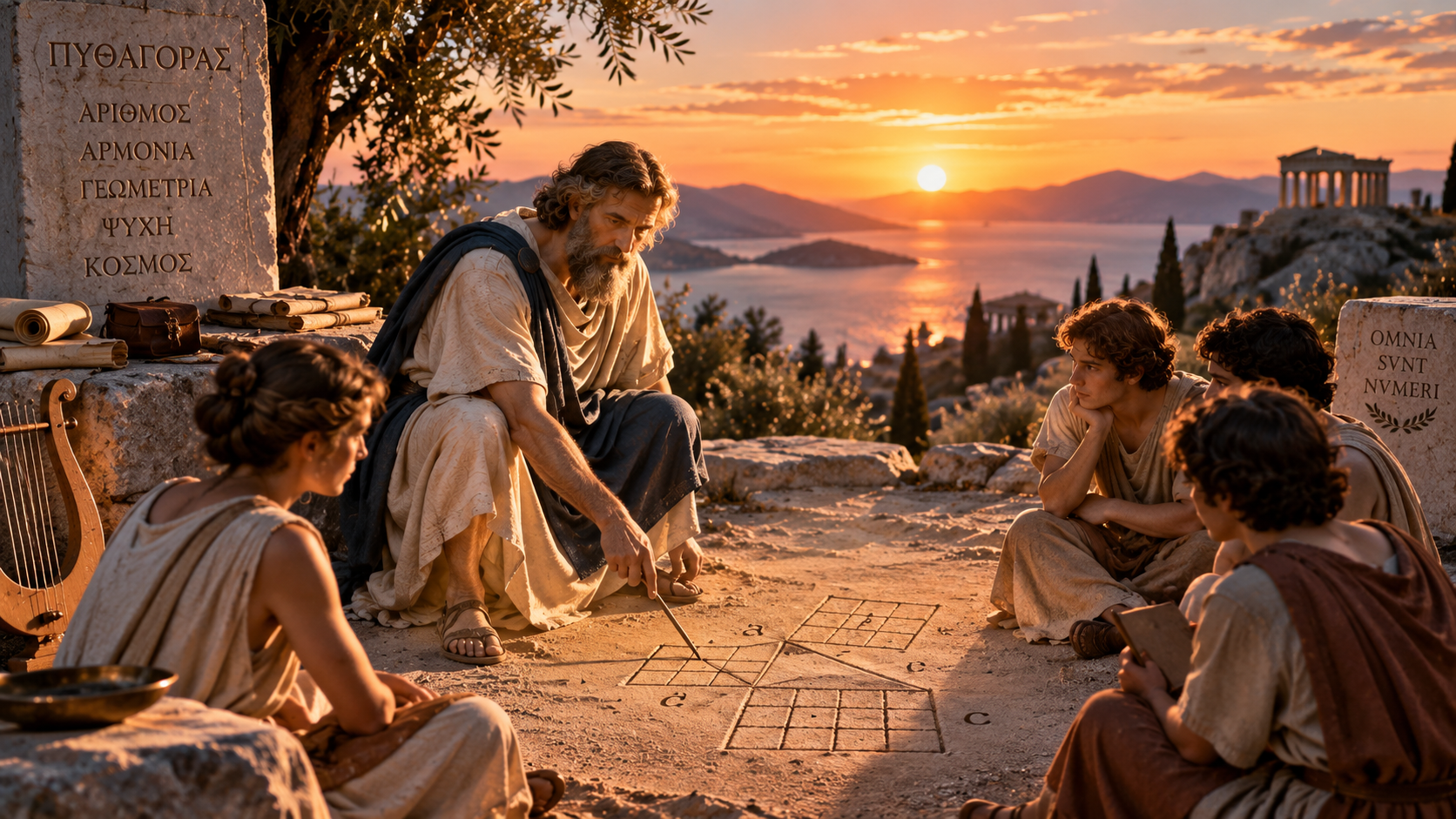
They swore their oaths by the Tetraktys — the sum 1+2+3+4=10 — and regarded it as sacred. Not because it was a magic number, but because they saw in it the fundamental proportion of the universe.
The Pythagoreans believed that planets moved in mathematical relations that produced a kind of music — the harmony of the spheres. That numbers and reality are not separate things.
Kabbalah and Jewish mysticism
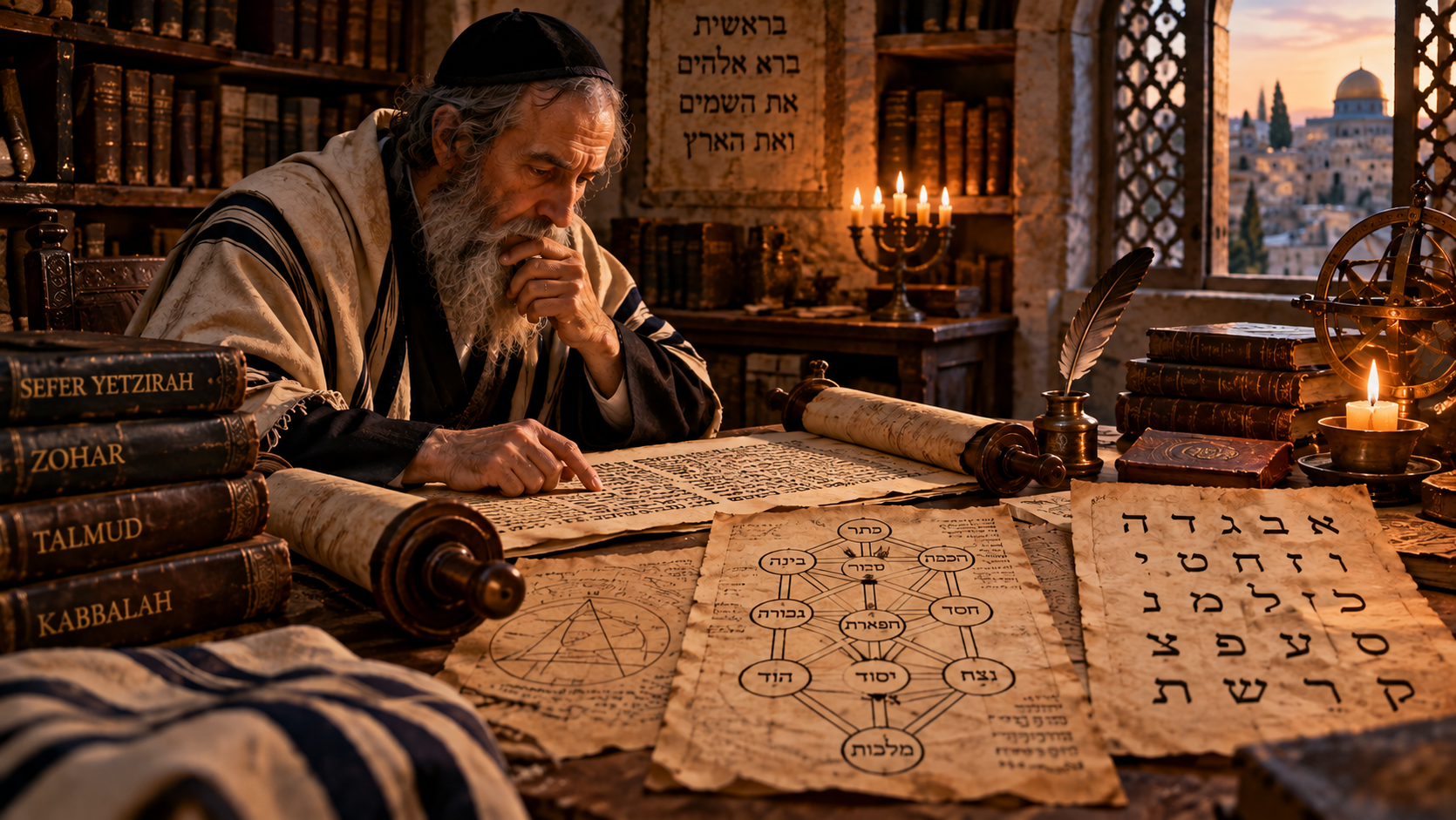
In parallel with the Pythagorean tradition, a system developed in the Jewish world called gematria — the teaching that Hebrew letters and numbers are the same force in different form.
In the kabbalistic tradition, the Tree of Life is organised around ten sefirot — emanations of the divine — that correspond to the numbers 1 to 10. Each number is a layer of reality, from the absolute and intangible down to the material world we live in.
The Torah was studied with these keys. Every word hid numerical secrets. The rabbis who devoted their lives to this were not mystics in the modern sense — they were philologists and philosophers who used the logic of numbers to penetrate deeper into the meaning of the text.
The Renaissance and the great leap
During the 1400s and 1500s, interest in the old systems flourished again. Renaissance thinkers wanted to unite Christianity, Platonism and Kabbalah into a coherent worldview. Numbers were the key.
Giovanni Pico della Mirandola, one of the Renaissance's most influential philosophers, argued in 1486 that kabbalistic numerology was proof of Christianity's truth. His contemporary Marsilio Ficino — physician, priest and philosopher — used Pythagorean number principles in his understanding of man's place in the cosmos.
These were not marginal figures. They were the era's most respected intellectuals, read and discussed at the courts of Florence, Rome and Paris.

When science divided
In the 17th century, something decisive happened. The scientific revolution — with Galileo, Kepler and Newton — redefined what counted as knowledge. The measurable, the repeatable, what could be proven in an experiment became the norm.
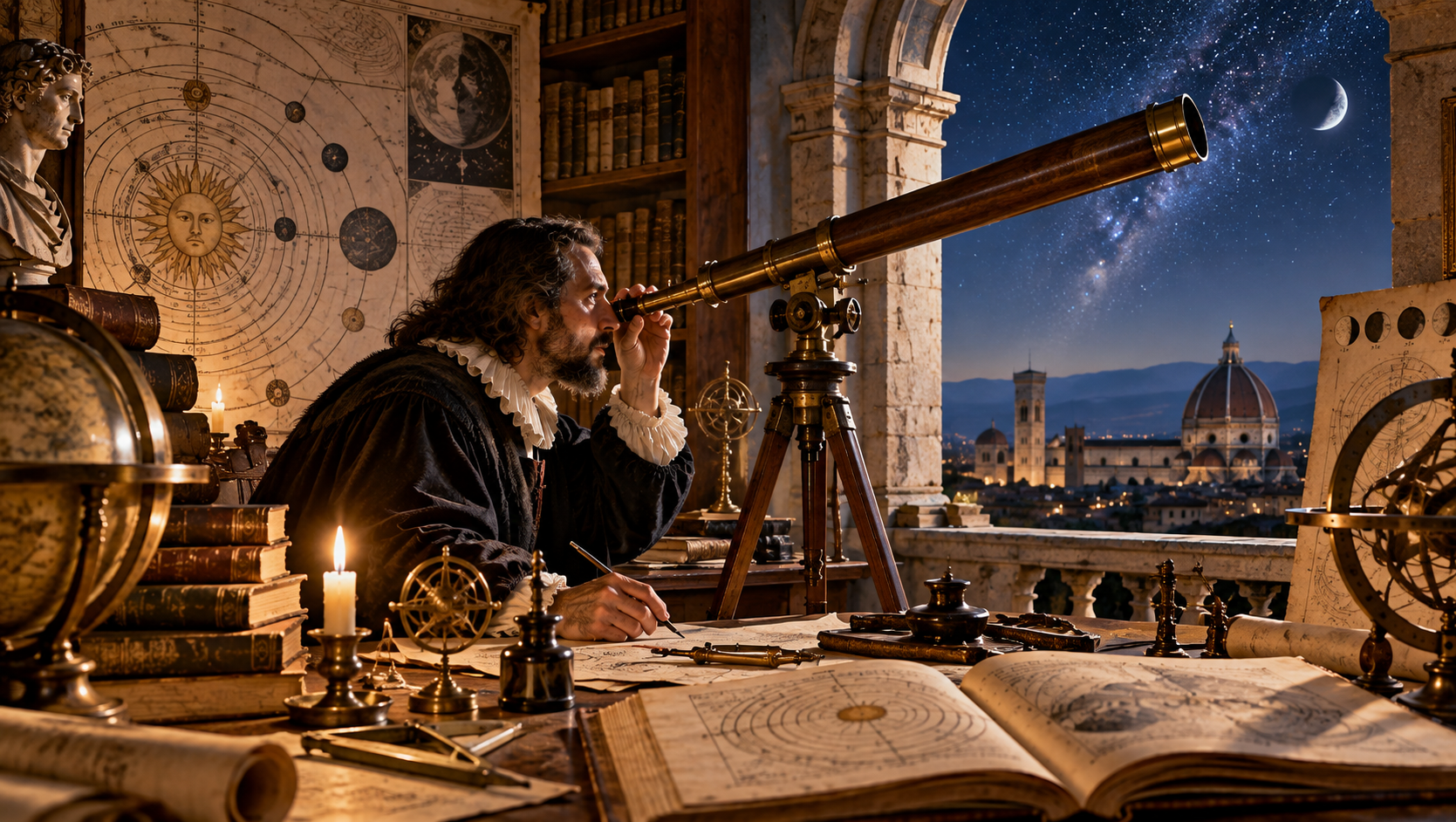
What did not fit in did not disappear — it was marginalised. Astrology, alchemy, numerology: knowledge that for centuries had belonged at universities now ended up outside the new boundaries of what was considered legitimate.
It is important to understand: they were not expelled because they were proven false. They were expelled because they asked different kinds of questions — questions about meaning and quality rather than measurement and quantity. That is not the same thing.
Numerology lived on in esoteric societies and private circles. In the 20th century it reached the masses again — but now without its academic and philosophical anchoring. What remained was often a diluted version, more focused on confirmation than on depth.
What we do here
Signum11.com is an attempt to return to the source.
Not to the fairs and horoscopes, but to the system that Pythagoras brought home from Babylon, that Pico della Mirandola taught in Florence, that the kabbalists wove into their reading of the Torah.
This means we do not filter out the shadow to make the analysis feel more pleasant. It means we do not promise success or love. It means we take numbers seriously — their light sides and their dark, their gifts and their demands.
A numerological analysis in the original tradition is not a forecast. It is a map — a way of seeing the patterns, strengths and challenges that shape who you are. It does not tell you where you must go. But it can help you understand where you stand, what you carry with you, and which paths lie ahead.
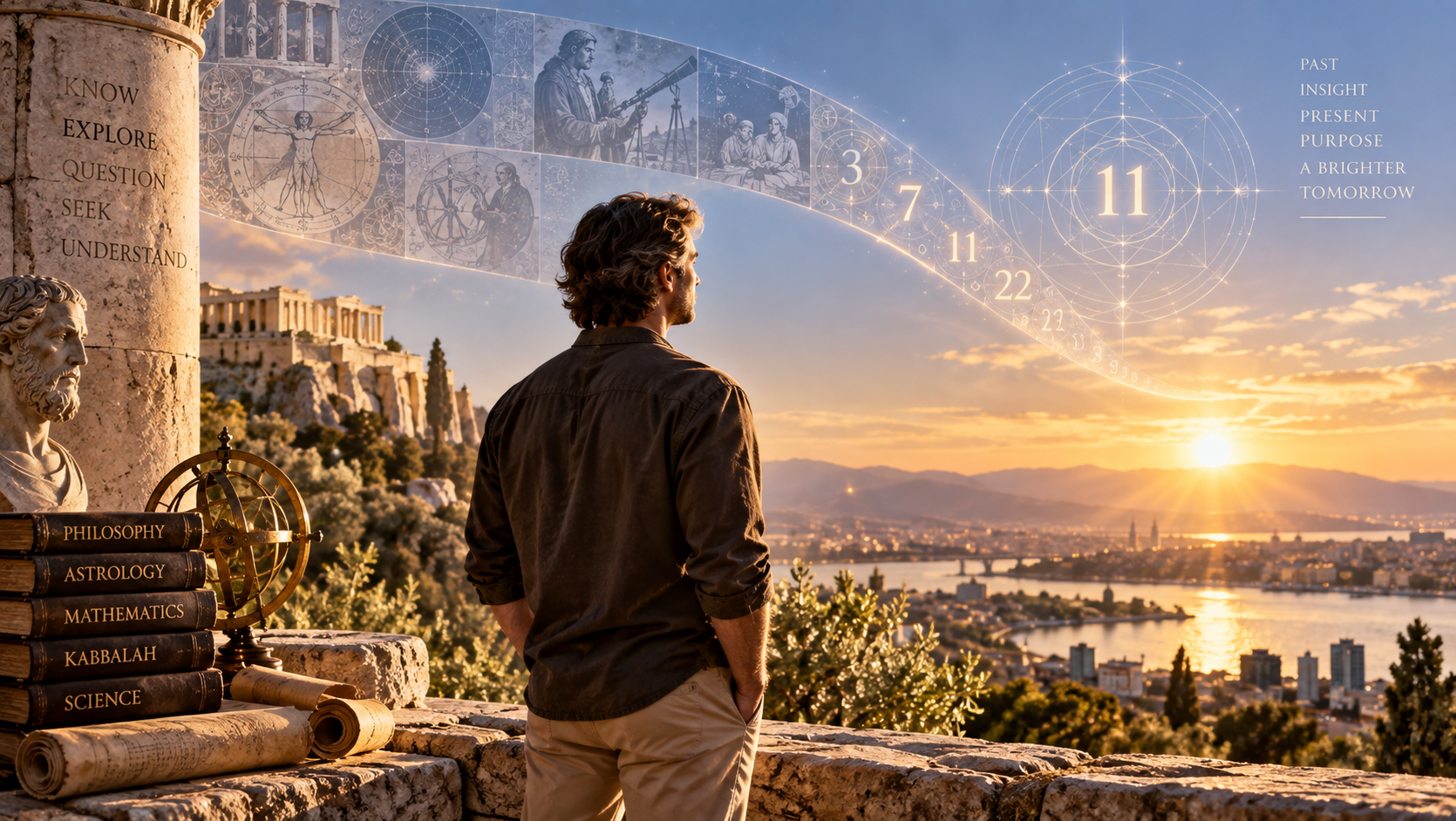
The past gives us the map. The path forward is our own.